Positive Rental Payment Reporting: Policy Issue
Overview
Rental housing providers rely heavily on accurate consumer and credit data and utilize that information to operate their apartment communities. Unfortunately, over 45 million consumers are either unscorable or credit-invisible based on existing scoring models.
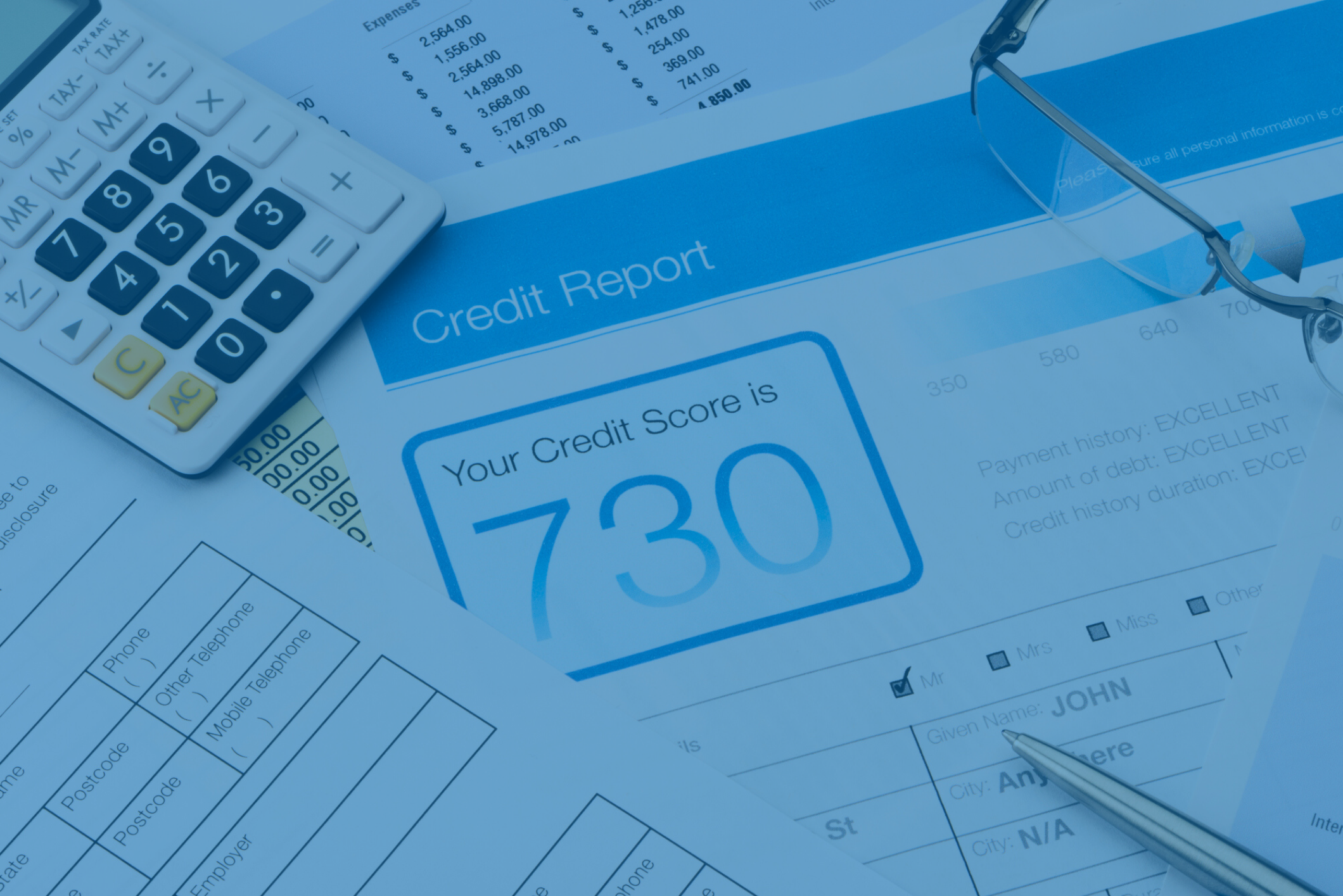
Historically, credit bureaus have not taken on-time rent and utility payment data into consideration in their models. Voluntary consumer reporting systems allow residents to build their credit, and providers to voluntarily disclose the rental payment information of their residents, thus allowing a more accurate, complete credit profile to be established.
Industry Position
The inclusion of renter payment history would be a win for providers and residents alike. The National Apartment Association (NAA) supports credit scoring models that integrate the use of rental payment data (submitted on a voluntary basis), utilities and other sources to assess consumers’ creditworthiness, especially in FICO Classic, the main credit scoring model used today but does not currently utilize alternative data to assess consumer financial profiles.
As an Owner or Operator, How Does this Affect My Business?
With more comprehensive consumer and credit data, providers can make more informed screening decisions and better manage foreseeable risk in their apartment communities.
Including rental payment data in credit history not only helps the rental housing industry, it also opens pathways for renters. This is especially true for low- and moderate-income households. A good credit score may benefit residents in the form of lower interest rates, loans, insurance products and telecommunication plans and offer more negotiation power for an individual.
Contact Information
To learn more about this issue, please contact NAA's Public Policy team.