The Big Picture
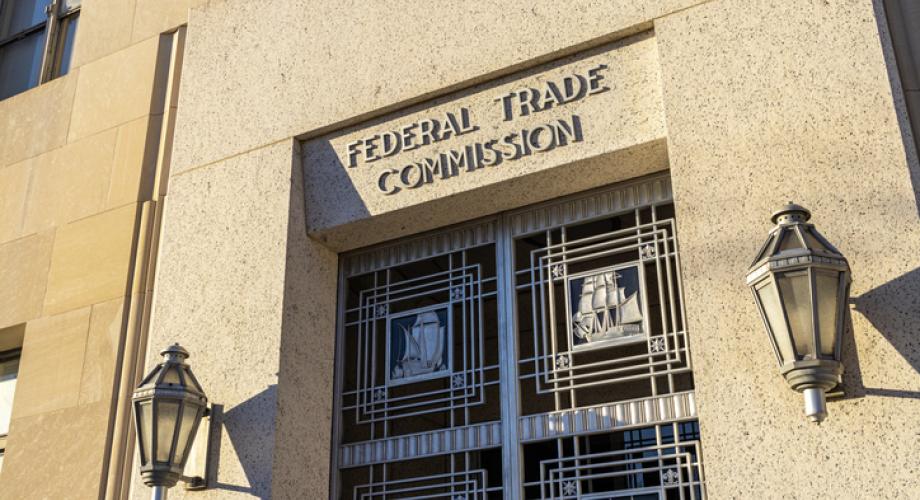
On April 13, 2026, the Federal Trade Commission (FTC) closed its Advance Notice of Proposed Rulemaking (ANPRM) on “Unfair or Deceptive Rental Housing Fee Practices.” This is the first of many opportunities for the public to weigh in and inform the Commission’s thinking on whether a federal rule is needed “to prevent persons, entities, and organizations from engaging in unfair or deceptive practices in connection with rental housing fees and charges.” The ANPRM is the information gathering stage of the federal rulemaking process in which the Commission provided nearly 75 questions for the public to answer regarding the necessity, coverage and scope of future federal regulation.
NAA’s Advocacy
Alongside its national coalition partners, the National Apartment Association (NAA) argued in its comments that any future actions by FTC to regulate pricing in rental housing should consider the unique foundation of leases in rental housing transactions, recognize the broad purposes of fees, deposits and utility billing in pricing structures and address the diversity of rental housing providers to avoid unintended costs and disruptions to consumers. Moreover, we shared:
“Done right, new policy efforts can complement and support the ongoing work of rental housing providers in enabling greater price transparency for renters. However, regulatory requirements that do not account for the realities of rental housing operations could introduce unintended complexity, potentially increasing costs that may ultimately be borne by renters and diverting attention from property improvements and resident-facing services.”
Read NAA and Coalition's Comments
As part of its advocacy strategy, NAA encouraged its affiliate network to amplify our message to the FTC and offer their own unique state and local insights. 25 NAA affiliated-apartment associations submitted comments, ensuring a broad range of industry perspectives were represented in the public record.
Deeper Dive
In its comments, the Virginia Apartment Management Association (VAMA) highlighted the unique and multifaceted nature of rental housing transactions as compared to the single-point transactions historically regulated by the FTC. “Rental housing …is not a purchase that originates and ends online with no input or review from the housing provider.” VAMA concluded by urging the Commission to consider lessons learned from the state legislative process:
“Entering into a rental housing agreement consists of several steps, with each step carrying the potential for pricing adjustment based on a landlord’s risk assessment of a rental prospect, the prospects selected add-ons, along with post move in charges that vary based on a resident’s usage (i.e., utilities). Any rule making must carefully consider the intricacies involved in rental housing transactions and not duplicate the same mistakes Virginia made in crafting [its laws].”
In its submission, the Bay Area Apartment Association (BAAA) recognized the industry’s views on transparency transcend location, emphasizing that, “a hallmark of the rental housing industry is strong customer service, which includes regular and transparent communication with our residents and prospective residents on rents, fees, and other requirements to lease that may have a cost.” BAAA also offered unique insights about how housing providers in the Tampa Bay area operationalize transparency at their communities.
The New Jersey Apartment Association (NJAA) eloquently contextualized future federal rulemaking by the FTC and urged the Commission to consider how it would fit within the complex regulatory framework already in place for housing providers in the state:
“Unlike many consumer industries, the rental housing business does not operate in a regulatory vacuum. Landlord-tenant relations are among the most heavily regulated areas of state and local law, and New Jersey is a particularly instructive example. The state’s landlord-tenant statutory framework governs virtually every aspect of the rental relationship: permissible charges, security deposit limits and interest obligations, eviction procedures, habitability standards, and a host of other requirements... At the local level, the regulatory framework is even more granular. More than 100 New Jersey municipalities have adopted rent control ordinances, and roughly two out of every three apartments in the state are located in communities subject to some form of rent regulation. These ordinances govern not only base rent increases but also “additional rent” and fee structures, including what costs can be passed through to tenants and under what conditions.”
The Southern California Rental Housing Association (SCRHA) emphasized the strong presence of independent rental owners in its membership and cautioned the Commission to consider how future rulemaking would impact this important segment of the industry.
“Approximately 65 percent of SCRHA members are independent rental owners who invested in rental housing to supplement their income or provide for their retirement. Many hope to be able to pass their property on to children or grandchildren to provide generational wealth in a high-cost state. As the regulatory environment becomes more complicated and financial pressures increase, this type of long-term investment has become unsustainable for many existing housing providers and too risky an investment for prospective rental owners. Any additional layer of regulation marks a major shift in operational procedures that may require significant time and resources.”
What’s Next
NAA appreciates the FTC’s efforts to learn more about the rental housing business as it looks to expand price transparency in these transactions. As the Commission considers whether to enter this space with its own regulations, NAA urges the agency to carefully evaluate the potential impacts on the industry and ultimately the consumer experience.
The FTC is highly motivated to move forward. NAA expects the agency to issue a Notice of Proposed Rulemaking later this year and ultimately issue a proposed rule setting a national floor for rent and fee transparency and disclosure. NAA looks forward to continuing our advocacy efforts with the Commission to ensure the industry’s voice is heard and represented throughout the rulemaking process.
It is too soon to tell how this action will impact state and local movement to mandate unique rental transparency requirements for individual jurisdictions, if at all. However, it is worth noting that 27 state attorneys general recently announced bipartisan support for the FTC to initiate a Notice of Proposed Rulemaking that would:
- Establish clear, enforceable standards requiring disclosure of the total rental price;
- Prohibit unfair or deceptive fee practices in rental housing transactions;
- Enhance fair competition in the rental housing industry; and
- Complement, not preempt, the longstanding authority of states to regulate housing.
For more timely updates on the industry’s advocacy and legal news, register for our monthly Advocacy and Legal Webinar (ALW) series and tune in every third Wednesday of the month at 2 pm ET. This webinar is exclusively for NAA members and affiliate partners.