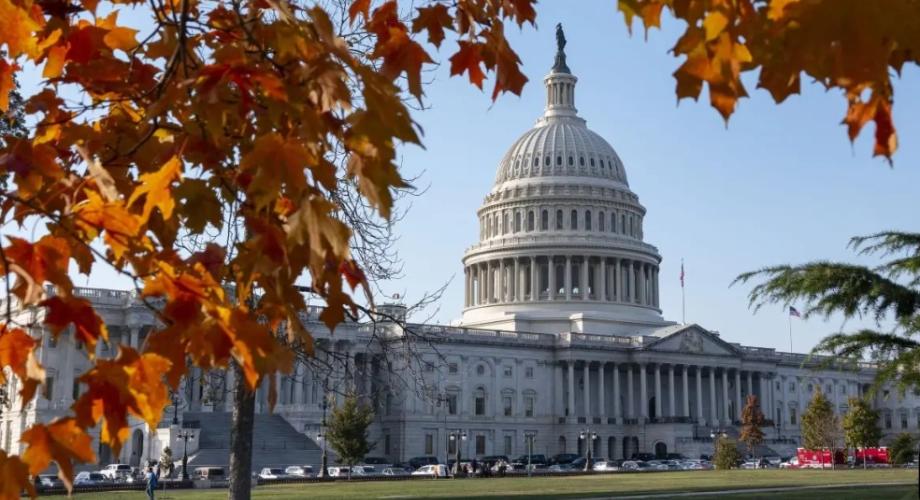
The government shutdown threat is off the table until after the election. The FY2027 continuing resolution was signed into law on September 2, 2026. It funds all 12 annual appropriations bills through December 11, 2026. That makes the lame-duck session the main event. When members return in November, they will face a funding deadline, a stalled defense bill and a Republican majority that may be packing up. With the regular process jammed, December action on defense and spending look more important than ever for H.R. 1078, the Respect State Housing Laws Act. Respect's status has not changed. It has been on the House Calendar since February 25 and carries 58 cosponsors: 56 Republicans and 2 Democrats. That lopsided support is the core challenge. If Republicans lose either chamber in November, their leverage in a lame-duck deal could be impacted. That makes the next ten weeks the critical window and NAA is pressing on every must-pass bill that moves before January 3.
Implementation of the 21st Century ROAD to Housing Act is on a firm clock. The law was enacted July 11 and the institutional investor provisions take effect 180 days later, on January 7, 2027. Treasury will write the implementing rules in consultation with HUD, FHFA and the SEC. The details matter: how Treasury treats ownership thresholds, details involving investment control, joint venture and fund structures and portfolio aggregation can determine how build-to-rent operators are affected. The timing matters too. These rules will take effect just as a new Congress is sworn in and that Congress's committees will oversee them.
The economic backdrop is getting harder for housing providers, community owners and our supplier members. The Federal Reserve raised its benchmark rate earlier this month for the first time since 2023, as 12-month inflation climbed from 2.4% in January to 3.4% in August. Higher financing costs hit new supply first. They also feed the affordability debate that is shaping campaigns in every competitive race.