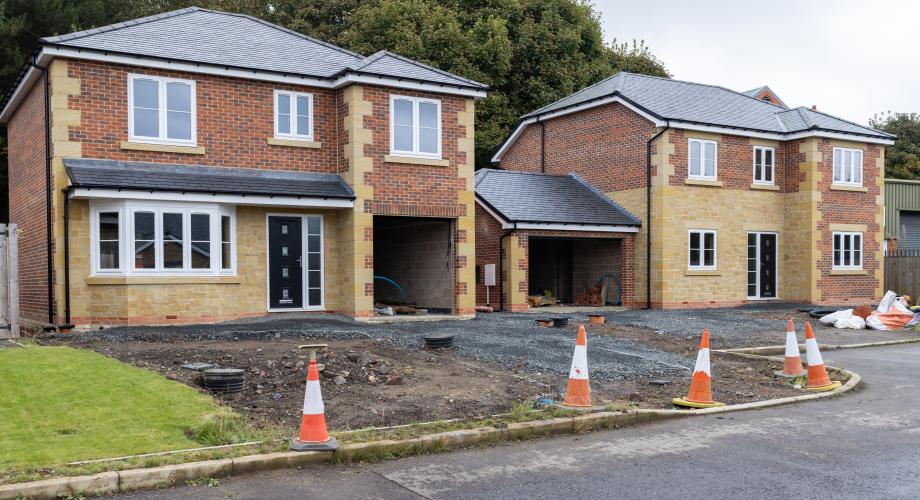
Housing construction is getting squeezed from multiple directions. Inflation, higher bond yields are increasing the costs of development and construction for the housing industry during a challenging period for affordability. The widening war in the Middle East is keeping oil prices near $100 per barrel, with the cost filtering through the entire supply and transport chain. In addition, tariffs on trading partners who supply the U.S. construction industry with materials are pushing the costs of construction higher.
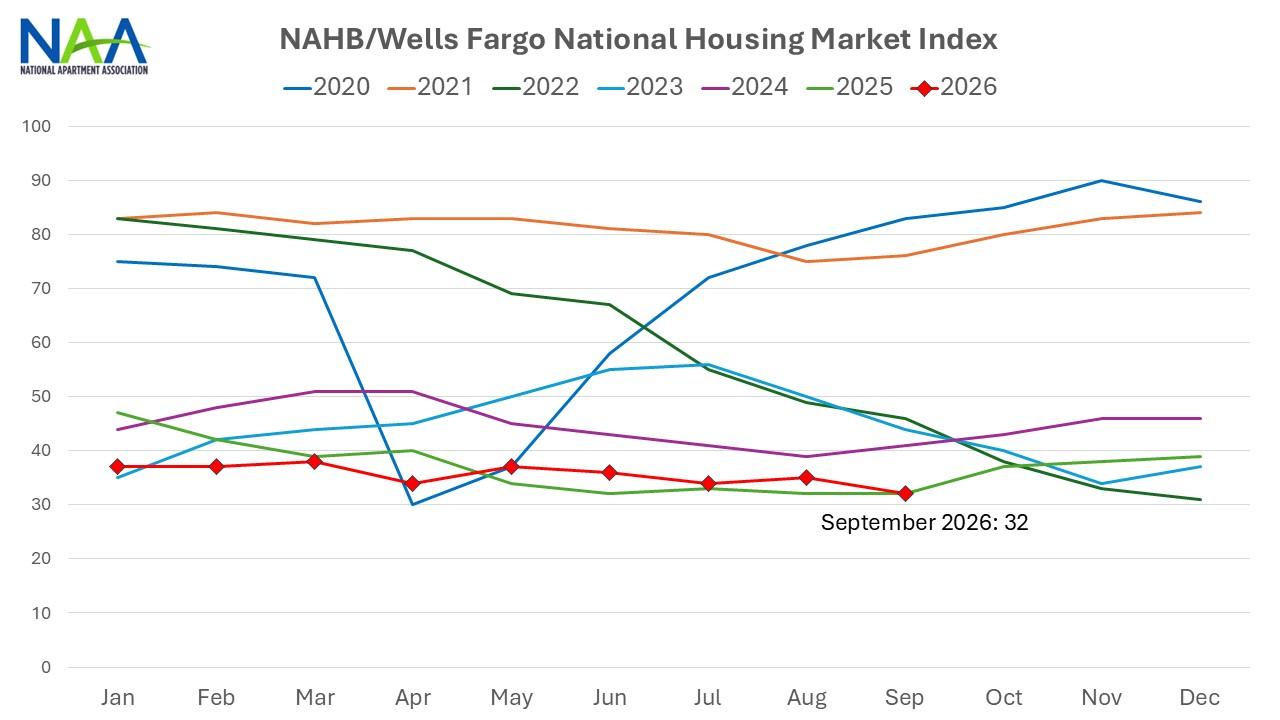
Homebuilders’ sentiment reflects a struggling market looking for reprieve. The NAHB/Wells Fargo Housing Market Index dropped to a value of 32 in September, the lowest level of 2026. With diminished foot traffic and sales, a growing share of builders employs sales incentives and price reductions to clear inventory.
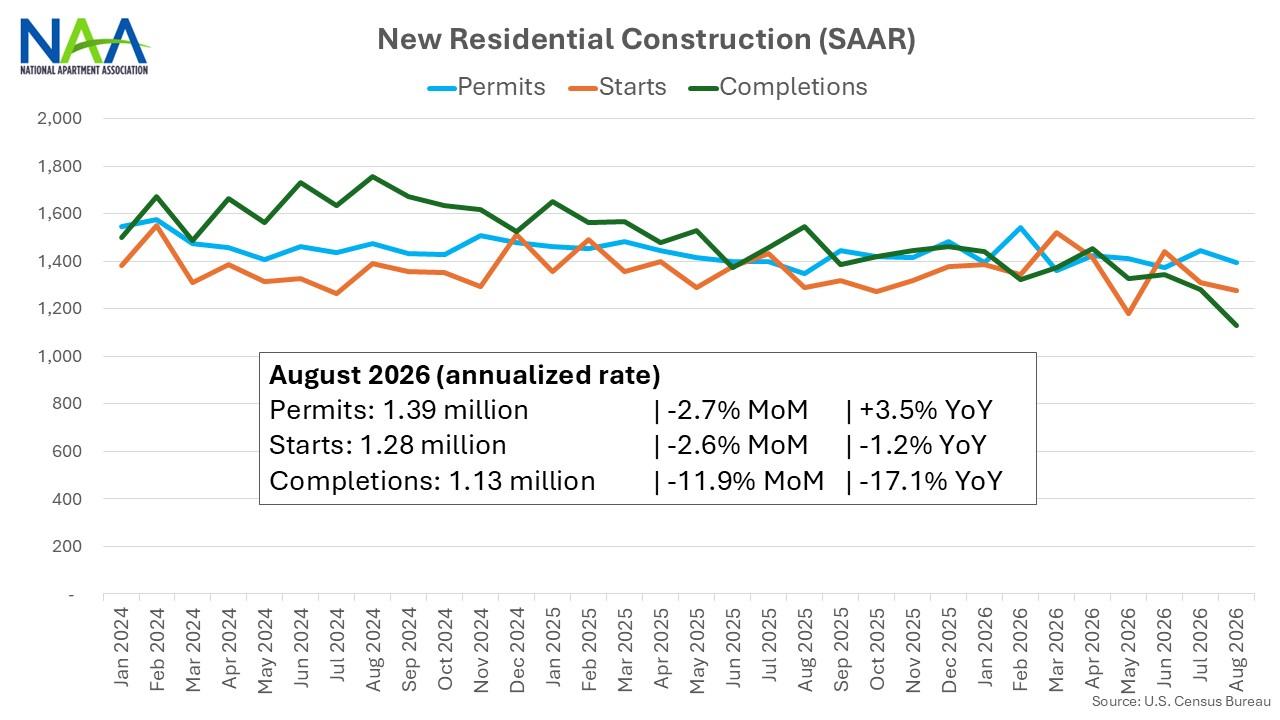
Today’s report on new construction activity from the Census Bureau underscores the ongoing trends, as most indicators showed a retreat in August. Permits declined 2.7% from July, driven by declines in both single-family and multifamily units. Permits were 3.5% above last year’s numbers.
Housing starts slid 2.6% from the prior month to 1.28 million annualized units, driven by a double-digit pullback in multifamily projects. Starts were 1.2% lower than a year ago, due to lower activity for buildings with five or more units. Completed homes dropped 11.9% from last month and were a noticeable 27.1% lower than in August 2025. While nationally, the number of homes ready for sale was down, the Northeast stood out with monthly gains for both single-family and multifamily projects.
Compounding the challenge for builders, is a capital market which responded to geopolitical volatility, rising inflation and federal debt with a bond selloff. The surge of the 10-year Treasury to 5% led to a corresponding advance in the 30-year fixed mortgage rate toward 7%. For Americans contemplating buying a home, the surge in mortgage rates coupled with high home prices translates into derailed financing plans.
The silver lining to the affordability crunch comes from the pipeline of multifamily projects under construction. The report shows 666,000 multifamily units under construction in August. Demand for rental housing is expected to remain healthy for the foreseeable future.
As the implementation of the 21st Century ROAD to Housing Act takes shape, markets could see improved conditions for more affordable housing options over the next couple of years. In the short run, however, the Federal Reserve’s decision to increase the policy rate means financing costs will remain elevated.